


2026 Hyundai Bayon
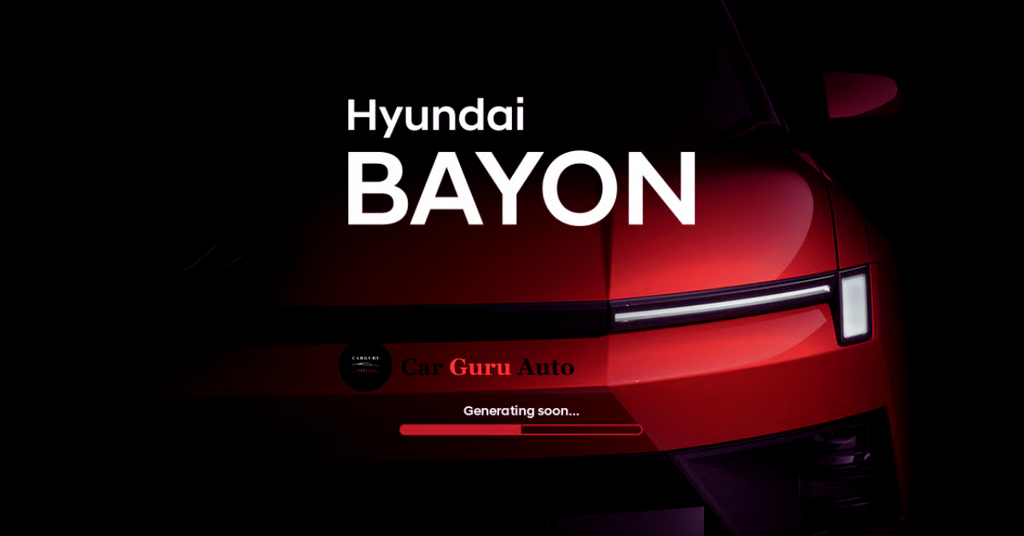
The 2026 Hyundai Bayon is one of Hyundai’s most interesting new SUV arrivals for the Indian market. Designed around a modern urban lifestyle, the Bayon combines a bold SUV appearance with compact dimensions that should make it comfortable in busy city traffic. Hyundai is positioning the model as an Intelligent Utility Vehicle, bringing together technology, connected features, distinctive styling and everyday practicality. With its sharp lighting, muscular body and futuristic cabin, the 2026 Hyundai Bayon is clearly designed for buyers who want something different from a conventional compact SUV. 🚗✨
You can also read our detailed guide on 2026 Tata Aeris Car
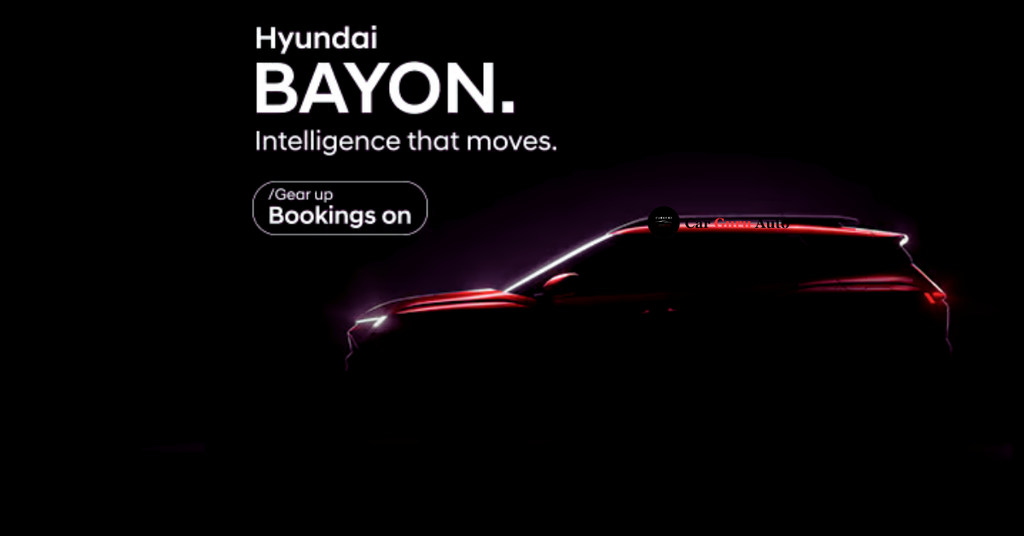
The new 2026 Hyundai Bayon sits between the Venue and Creta in Hyundai’s India SUV portfolio, giving the company another model in the highly competitive compact-SUV space. Its approximately 4.2-metre length makes it considerably easier to position in urban environments than a large SUV, while the taller body and raised stance provide the commanding seating position many buyers now expect. Hyundai has also developed the vehicle with Indian customers in mind, combining an SUV-inspired exterior with technology-focused equipment.
💰 2026 Hyundai Bayon Price in India
The final official retail price of the 2026 Hyundai Bayon has not yet been announced. Current industry estimates place the expected ex-showroom price broadly around ₹10 lakh to ₹15.5 lakh, depending on variant and transmission. Hyundai has already started accepting bookings for ₹11,000, so the official price announcement is expected closer to the launch. Buyers should therefore treat the current price figures as estimates rather than confirmed showroom prices.
📋 2026 Hyundai Bayon Detailed Specifications
| Specification | 2026 Hyundai Bayon |
|---|---|
| Body Type | Compact SUV / Intelligent Utility Vehicle |
| Expected Seating | 5 Passengers |
| Engine | 1.5-litre Naturally Aspirated Petrol |
| Engine Capacity | Approx. 1,493 cc |
| Expected Power | Around 115 PS |
| Expected Torque | Around 144 Nm |
| Transmission | 6-Speed Manual / IVT-CVT |
| Drive Type | Front-Wheel Drive |
| Fuel Type | Petrol |
| Expected Length | Around 4.2 metres |
| Infotainment | Large Connected Digital Display Setup |
| Voice Assistant | Built-in Generative AI Assistant |
| Safety | Multiple Advanced Safety Features |
| Airbags | Expected 6 |
| TPMS | Expected |
| Expected Price | Approx. ₹10–15.5 lakh |
| Booking Amount | ₹11,000 |
| Launch | Expected October 2026 |
The powertrain information currently available indicates that the Indian 2026 Hyundai Bayon will use a 1.5-litre naturally aspirated petrol engine with an expected output of around 115 PS and approximately 144 Nm of torque. Manual and IVT automatic transmission options are expected. Hyundai has officially confirmed a petrol powertrain with manual and IVT transmission options, while detailed final variant specifications will become clearer around launch.
You can also read our detailed guide on 2026 Genesis GV90
✨ Bold New Exterior Design
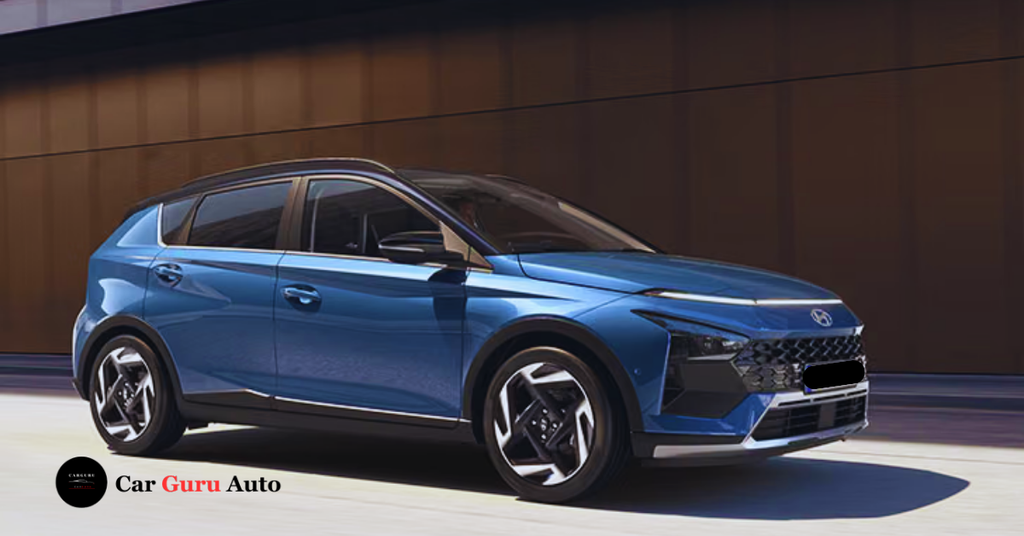
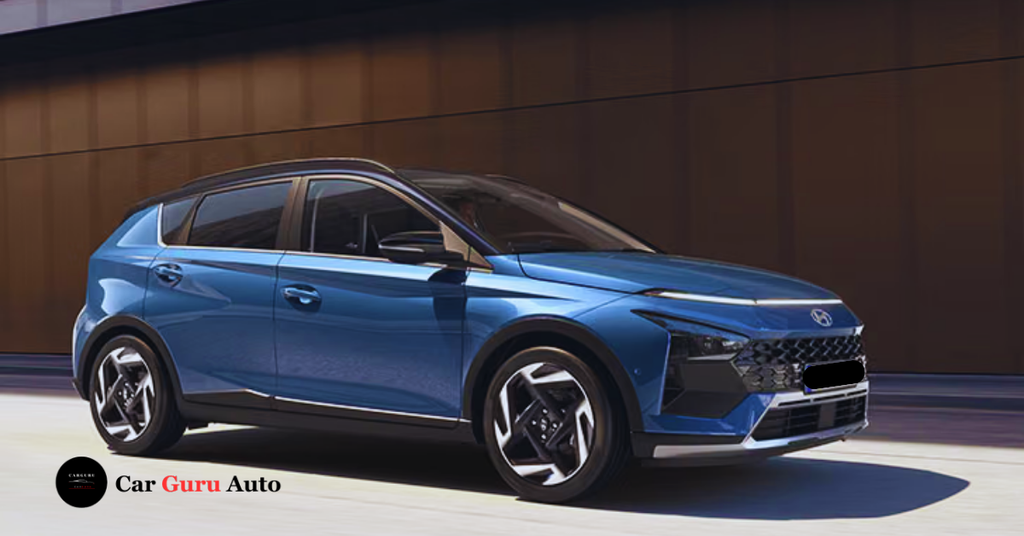
The exterior is probably the first thing that will attract attention to the 2026 Hyundai Bayon. Hyundai has given the SUV a strong visual identity based on its evolving Art of Steel design language. The front features a sculpted bonnet, prominent fender volumes and a distinctive H-Edge lighting signature. Rather than using a conventional front-end design, Hyundai has separated the lighting elements to create a futuristic appearance. The overall shape looks youthful, technical and considerably more expressive than a traditional family SUV.
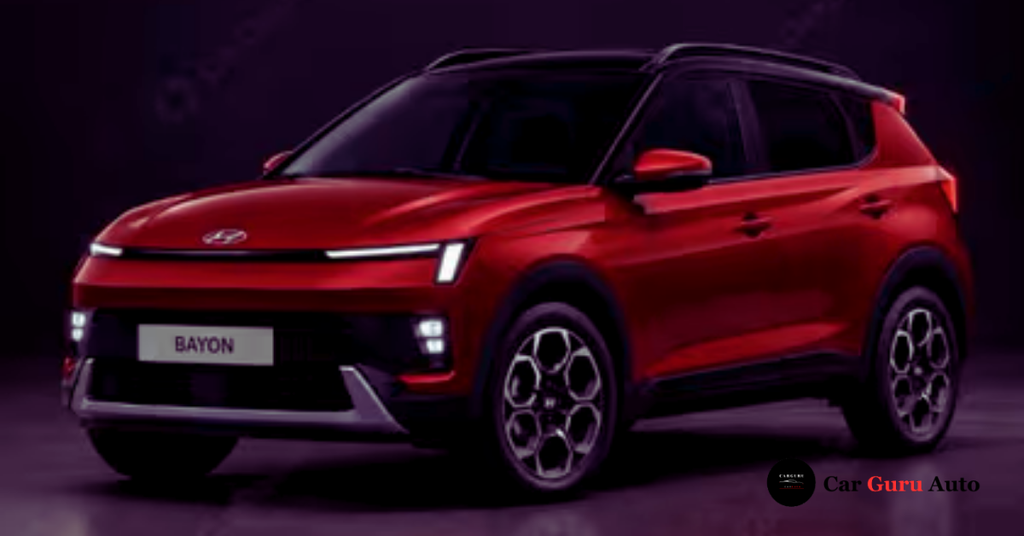
The 2026 Hyundai Bayon also has a wide-looking front section created by the combination of its lighting elements and lower bumper treatment. The design gives the compact SUV a more substantial visual presence than its dimensions might suggest. Hyundai has concentrated on sharp character lines and muscular surfaces, creating a body that changes appearance depending on how light falls across its panels. This gives the Bayon a more premium appearance without making the styling excessively complicated. 🎨🚙
💡 Distinctive H-Edge Lighting
One of the most recognisable elements of the 2026 Hyundai Bayon is its H-Edge lighting signature. The front lighting arrangement gives the vehicle a futuristic face and helps differentiate it from other Hyundai SUVs. The lighting elements are integrated into the overall design rather than looking like separate accessories. At night, this distinctive signature should make the Bayon easy to identify from a distance, particularly in urban environments filled with compact SUVs. 💡✨
🛞 Sporty Side Profile
From the side, the 2026 Hyundai Bayon gets a crossover-style silhouette with a sloping roofline, defined character lines and pronounced wheel-arch areas. Roof rails add to the SUV appearance, while the dual-tone alloy wheels give the vehicle a more youthful look. The upward window-line treatment near the rear section adds some visual movement to the profile, preventing the relatively compact body from looking too boxy. 🛞🔥
The compact dimensions should also make the 2026 Hyundai Bayon practical for city driving. A vehicle around 4.2 metres long is easier to park and manoeuvre than many larger SUVs, while the elevated seating position provides the visibility that urban SUV buyers often prefer. This combination could make the Bayon particularly suitable for customers who spend most of their week travelling through crowded streets but still want a vehicle with a strong SUV character. 🏙️🚘
🌟 Modern Rear Design
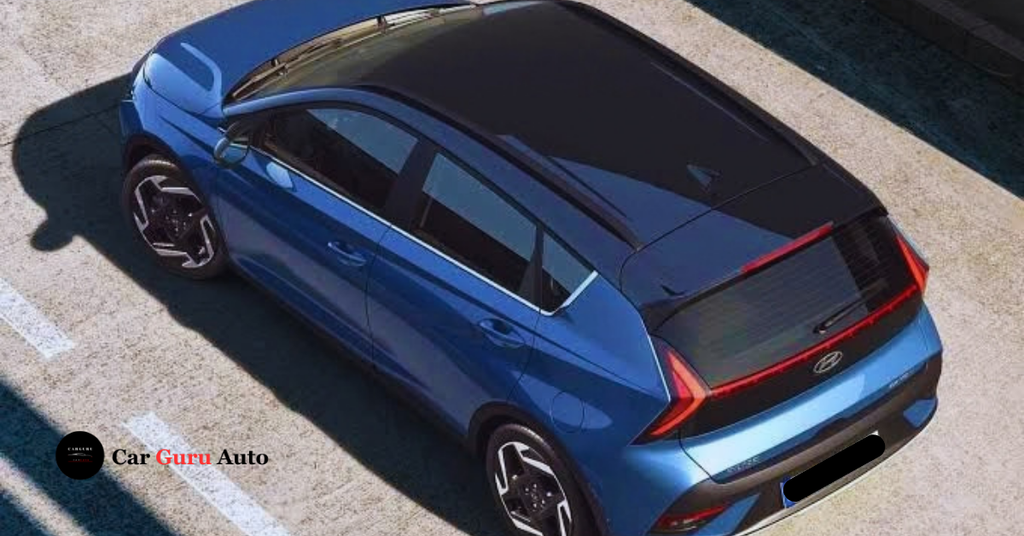
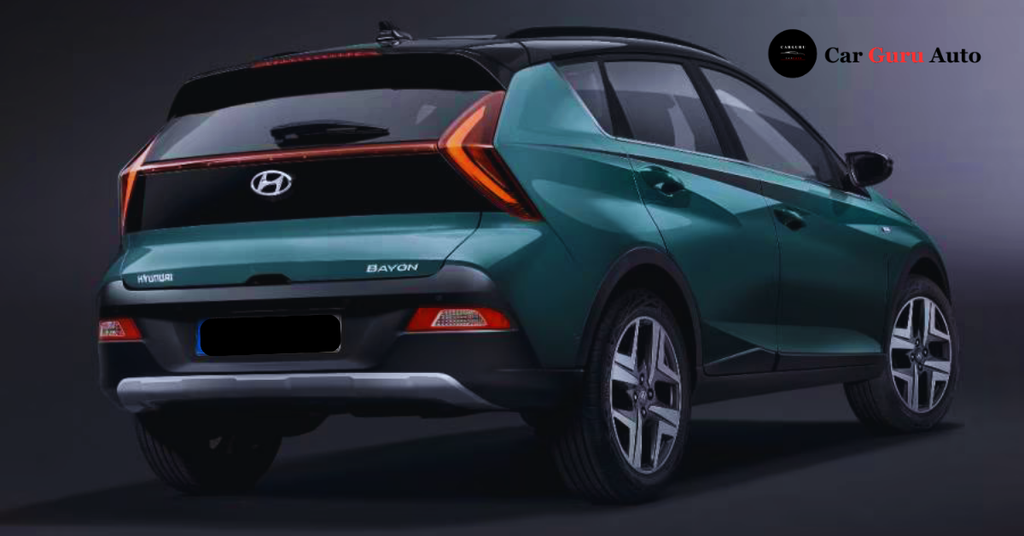
At the rear, the 2026 Hyundai Bayon continues the distinctive lighting theme with inverted L-shaped tail lamps. A roof-integrated spoiler adds a sporty touch, while the rear bumper maintains the robust appearance expected from an SUV. The Hyundai and Bayon badging is positioned cleanly on the tailgate, keeping the rear design relatively uncluttered. Overall, the rear appears wider and more planted than the compact dimensions would suggest. ✨🚗
You can also read our detailed guide on 2026 Kia Sorento
🛋️ Futuristic Interior
Step inside the 2026 Hyundai Bayon , and the focus shifts from muscular exterior styling to technology and connectivity. Hyundai has previewed an interior designed around modern digital lifestyles, with a connected-screen arrangement and a clean dashboard layout. The cabin is intended to feel contemporary rather than traditional, giving drivers quick access to information, entertainment and vehicle controls. The emphasis on intelligent interaction is one of the biggest differences between the Bayon and older compact SUVs. 📱🛋️
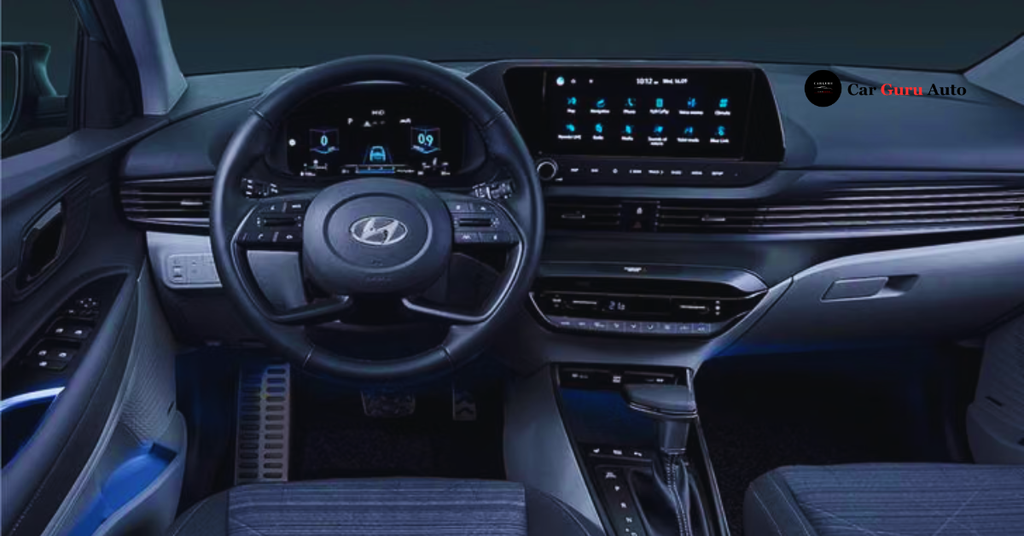
The dashboard of the 2026 Hyundai Bayon is expected to feature a connected digital display arrangement, giving the driver and front passenger a more premium visual experience. Depending on the final variant, buyers may also receive features such as automatic climate control, wireless charging, ambient lighting and a panoramic sunroof. These equipment details are expected rather than all being officially confirmed at this stage, so final variant-wise specifications will matter when Hyundai announces the complete lineup. ✨📱
🤖 Built-In Generative AI Voice Assistant
One of the most unusual technology features of the 2026 Hyundai Bayon is its built-in generative AI voice assistant. Hyundai says the system is intended to provide a more natural and intuitive way for Indian customers to interact with the vehicle. Instead of relying entirely on fixed commands, the technology is designed around more conversational interaction. This gives the Bayon a distinctly modern character and shows how artificial intelligence is becoming part of the everyday vehicle experience. 🤖🚙
The AI-focused approach could make the 2026 Hyundai Bayon especially appealing to younger technology-oriented buyers. Voice interaction can potentially reduce the need to operate physical controls or search through menus while driving. The important part, however, will be how naturally the system understands Indian accents, languages, commands and everyday requests. Hyundai’s final software implementation will determine how useful the feature becomes in real-world conditions. 🎙️✨
📱 Connected Technology
Connectivity is expected to be another strong point of the 2026 Hyundai Bayon. Modern smartphone integration, wireless charging and connected vehicle functions are likely to form an important part of the equipment package. Hyundai’s latest vehicles increasingly focus on integrating the smartphone and vehicle experience, and the Bayon follows the same philosophy. The goal is to make everyday tasks such as navigation, calling, music and vehicle information easier to access. 📲🚗
You can also read our detailed guide on 2026 Tesla Roadster
🌤️ Panoramic Sunroof and Premium Features
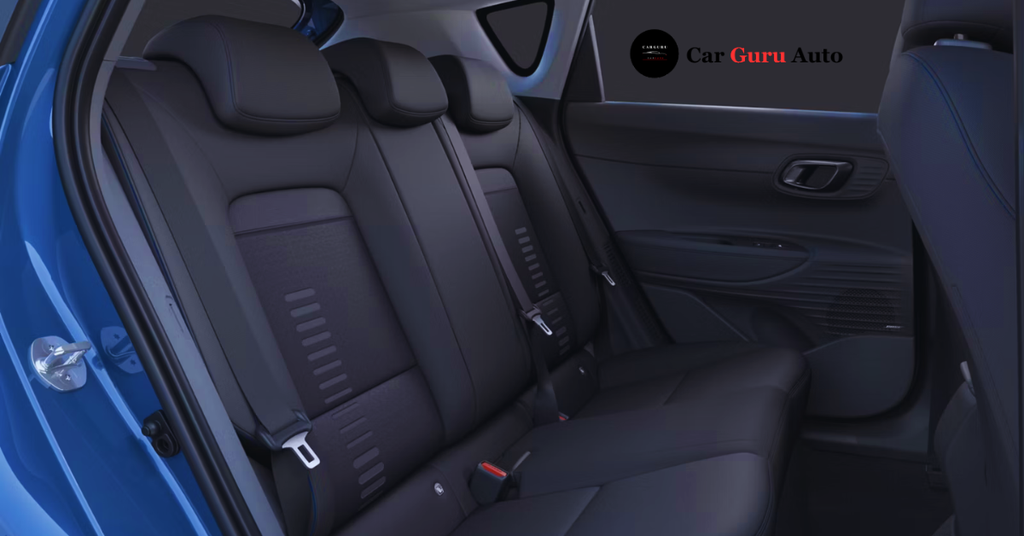
The 2026 Hyundai Bayon is expected to offer a panoramic sunroof on higher variants, giving the cabin a brighter and more spacious atmosphere. Other expected premium features include multi-colour ambient lighting, leatherette-style upholstery, a wireless phone charger and enhanced rear-seat convenience. These features would help Hyundai position the Bayon above basic entry-level SUVs and give higher variants a more premium character. 🌤️✨
🛡️ Safety Features
Safety is expected to be an important part of the 2026 Hyundai Bayon package. Six airbags, electronic stability assistance, tyre-pressure monitoring and ISOFIX child-seat mounting points are among the safety equipment expected for the Indian model. Higher variants could also receive advanced driver-assistance features, although final ADAS availability should be confirmed when Hyundai announces the complete specification list. Hyundai says the Bayon is being developed around strong Indian safety expectations and a Global K Enhanced Platform. 🛡️🚘
⚙️ Petrol Engine and Transmission
The 2026 Hyundai Bayon is expected to use a 1.5-litre naturally aspirated petrol engine producing roughly 115 PS and 144 Nm. A six-speed manual transmission should appeal to buyers who prefer direct control, while the IVT automatic is designed for smoother urban driving. The naturally aspirated engine is not intended to be an extreme performance unit; instead, it should focus on predictable power delivery, everyday drivability and relaxed cruising.
The automatic version of the 2026 Hyundai Bayon could be particularly interesting for city customers. Traffic conditions in Indian metropolitan areas can make frequent clutch operation tiring, so an IVT can provide a smoother and more relaxed experience. At the same time, the manual transmission gives buyers a simpler alternative and potentially greater control during highway or hilly driving. 🚦⚙️
🌟 New Attractive Features at a Glance
The biggest attractions of the 2026 Hyundai Bayon include its futuristic H-Edge lighting, muscular SUV design, approximately 4.2-metre footprint, connected digital displays, built-in generative AI voice assistant, expected panoramic sunroof, wireless charging, premium cabin technology, petrol engine, manual and IVT options and Hyundai’s focus on advanced safety. Together, these features give the Bayon a more technology-heavy personality than many conventional compact SUVs. 🔥✨
🏙️ Designed for Urban Life
Hyundai describes the 2026 Hyundai Bayon as a vehicle created for modern urban lifestyles, and its dimensions support that positioning. It is compact enough for city streets while maintaining the raised driving position and SUV proportions buyers increasingly want. The relatively small footprint should also make parking easier than with larger SUVs. At the same time, the bold exterior allows the Bayon to retain a strong road presence. 🏙️🚙
👨👩👧 Family-Friendly Compact SUV
For families, the 2026 Hyundai Bayon could offer a useful balance between size and practicality. A five-seat cabin, SUV-style seating position and expected modern comfort features should make it suitable for daily school runs, office commuting and weekend trips. The automatic variant could also be convenient for families living in busy cities, while the manual version gives buyers another choice at a potentially lower price point. 👨👩👧👦❤️
🆚 Position in Hyundai’s SUV Lineup
The 2026 Hyundai Bayon occupies an interesting space between the Venue and Creta. That positioning allows Hyundai to target buyers who find the Venue too small or the Creta more expensive than necessary. The Bayon combines a compact footprint with a stronger SUV identity and more technology-focused positioning. Its success will ultimately depend on final pricing, variant equipment and how customers respond to its unusual styling. 🚙📊
💰 Expected Price Range
While the official price is still awaited, current estimates place the 2026 Hyundai Bayon around the ₹10 lakh–₹15.5 lakh ex-showroom range. Hyundai has already opened bookings for ₹11,000, confirming that the Indian launch process is underway. Buyers should wait for the official variant-wise price list before making a final purchase calculation, especially because features such as automatic transmission, panoramic roof and advanced technology may be restricted to higher variants.
🏁 Final Thoughts
The 2026 Hyundai Bayon brings something different to Hyundai’s expanding Indian SUV lineup. Its bold design, distinctive lighting, technology-focused interior and built-in generative AI assistant give it a personality that goes beyond simply being another compact SUV. The model is clearly designed for customers who want modern styling and digital features while still needing a vehicle that remains manageable in crowded urban environments. 🚘✨
What makes the 2026 Hyundai Bayon particularly interesting is the balance between technology and practicality. Hyundai has not attempted to create an enormous SUV; instead, it has focused on a compact footprint with a stronger visual identity. The petrol engine, manual and IVT options also give buyers familiar powertrain choices rather than forcing them into an unfamiliar technology. ⚙️🇮🇳
As the official launch approaches, the final price, variant-wise features, safety equipment and real-world specifications will become the most important details. If Hyundai manages to combine its technology package with competitive pricing, the 2026 Hyundai Bayon will give Indian SUV buyers another distinctive option in a very crowded segment. 🚙🔥
You can also read our detailed guide on 2027 Hyundai Tucson
All car detailed available on CAR GURU AUTO with price and features review.
FAQS for 2026 Hyundai Bayon
What is the expected price of the 2026 Hyundai Bayon ?
The 2026 Hyundai Bayon is expected to be positioned between the Hyundai Venue and Creta, with an estimated price range of around ₹10 lakh to ₹15 lakh (ex-showroom). The final variant-wise pricing will depend on Hyundai’s official announcement.
When will the 2026 Hyundai Bayon launch in India ?
Hyundai has opened bookings for the 2026 Hyundai Bayon in India, with the market launch expected around October 2026.
What engine will the 2026 Hyundai Bayon use ?
The 2026 Hyundai Bayon is expected to feature a 1.5-litre naturally aspirated petrol engine, producing around 115 PS and 144 Nm, paired with manual and automatic transmission options.
What are the key features of the 2026 Hyundai Bayon ?
Expected highlights include a modern connected-screen setup, premium cabin technology, wireless charging, panoramic sunroof, ambient lighting and advanced connectivity features. Hyundai has also highlighted an in-built generative AI voice assistant for the Bayon.
Is the 2026 Hyundai Bayon a safe SUV ?
Hyundai says the 2026 Hyundai Bayon has been engineered on its Global K Enhanced Platform with a focus on achieving 5-star Indian safety standards. Expected safety equipment includes multiple airbags, TPMS, ISOFIX and advanced driver-assistance features, although exact variant-wise equipment should be confirmed at launch.
What makes the design of the 2026 Hyundai Bayon different ?
The 2026 Hyundai Bayon features Hyundai's “Art of Steel” design approach, with sculpted body surfaces, distinctive H-Edge lighting, bold fender volumes and a modern SUV-inspired silhouette.
Who should consider the 2026 Hyundai Bayon ?
The 2026 Hyundai Bayon is aimed at buyers looking for a stylish, technology-focused compact SUV with a premium cabin, practical dimensions and Hyundai's familiar ownership ecosystem. Its positioning between the Venue and Creta could make it relevant for buyers wanting something larger and more feature-rich than a small SUV without moving fully into the Creta segment.
